
Banana Bread: An Origin Story
(Also, Feb. 23 is National Banana Bread Day!)

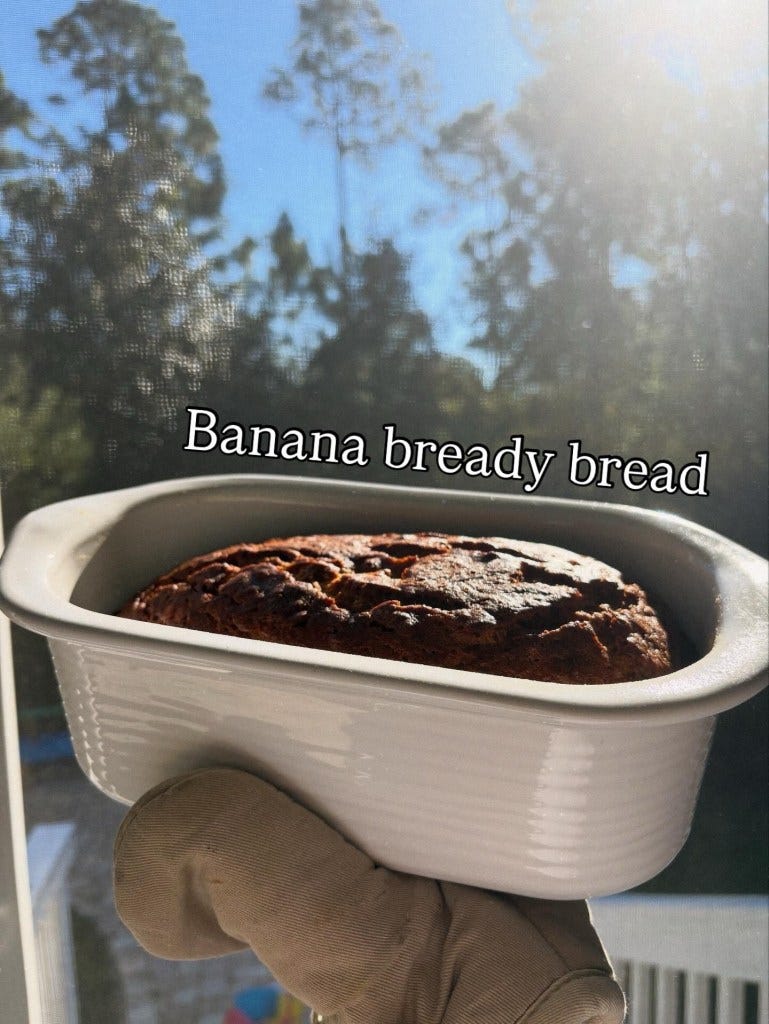
I don’t know about you, but banana bread has become something I bake just about every week. And I didn’t use to care about this bread at all--until I had a bunch of overripe bananas on my counter and the feminine urge to bake something from scratch.
Surely I’m not the only one.
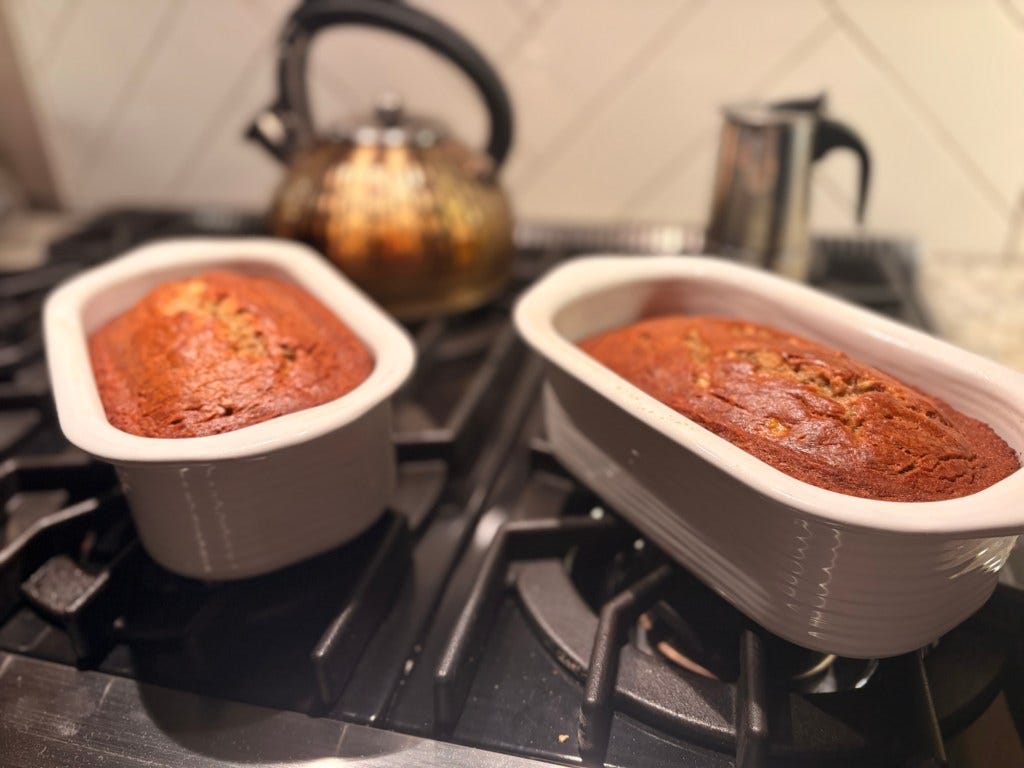
What do we know about the humble yet delectable banana bread? Quite a lot, in fact. Supposedly (and understandably) banana bread developed popularity during the Great Depression. If you’re thinking that it’s because homemakers hated to waste uneaten, overripe bananas--you’re correct.
That’s just part of the story that traces a little further back with the growing accessibility of the banana. Original to Southeast Asia, bananas were a luxurious treat also enjoyed in Africa, Europe, and then thanks to Captain John Smith, introduced to Hawaii. In the 1920s, refrigeration made importation practical and Chiquita Banana was one of the leading brands at the time.
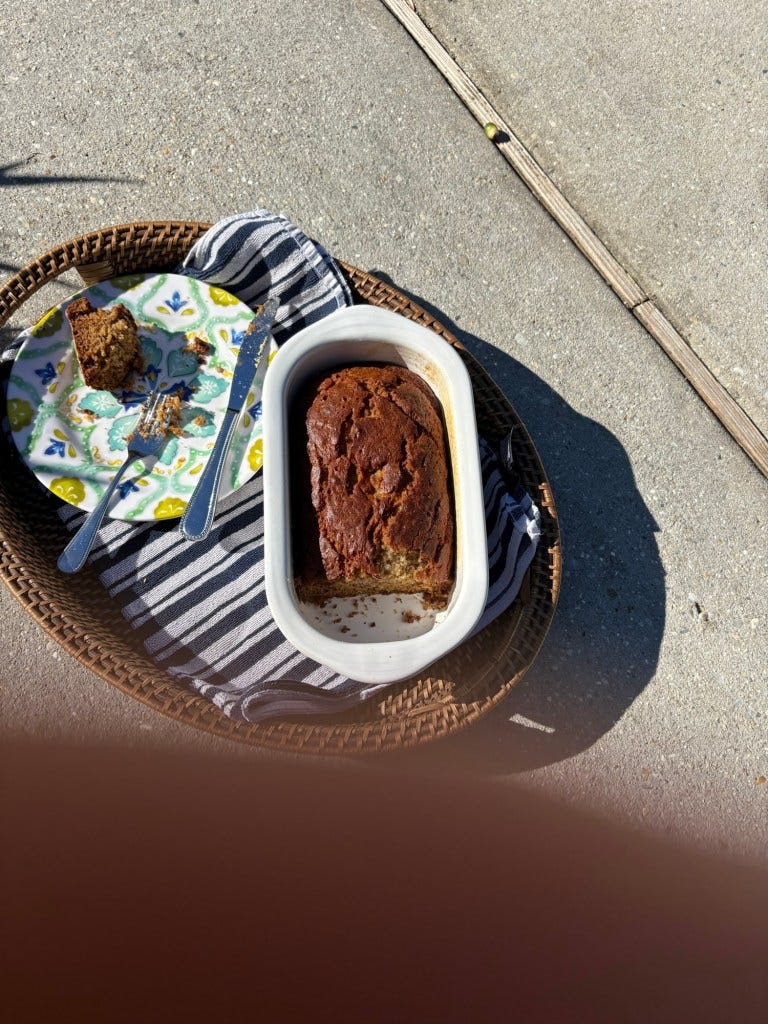
About that Great Depression, though. While, yes, bananas were not so readily scrapped, King Arthur Baking was a rising company (pun absolutely not intended but fitting!) that introduced “chemical leaveners” to grocery shelves. Think: baking soda and powder, which, get this, paired with overripe bananas (or a similar ingredient) did not require yeast in order to rise.
Pillsbury published the first recipe for banana bread in 1933. But, as many things do, shifting trends influence the variety of ingredients, flavors, and presentations. In the 40s, World War II brought egg and butter rationing, and sour cream and buttermilk were used instead of whole milk. In the 60s, wheat flour, brown sugar, and spices made bread more nutrient-dense.
Do you remember the Pandemic in 2020? According to CNBC, banana bread was the no. 1 searched recipe online. And for good reason. While the whole world was told to stay home, people were bored and had food aging on their counters. Also, Instagram and TikTok helped show the world what we were doing at home.
Bananas are available year-round, and they’re one of the cheapest fruits (ahem, berries--did you know?) you could buy. They’re full of potassium, fiber, and vitamins A and C, and when baked into a fragrant loaf and enjoyed alone or with friends, they’re a comforting, satisfying food. A key to underscoring that flavor, you might already know, is to use those overripe and speckled ‘nanas so the starch converts to sugar and makes each warm bite skyrocket you to flavor heaven. I’d say enjoyment and comfort together are as good as medicine.
In My Home
My mom would often make a banana snack cake. I’ve since found the recipe and made it several times. So yum.
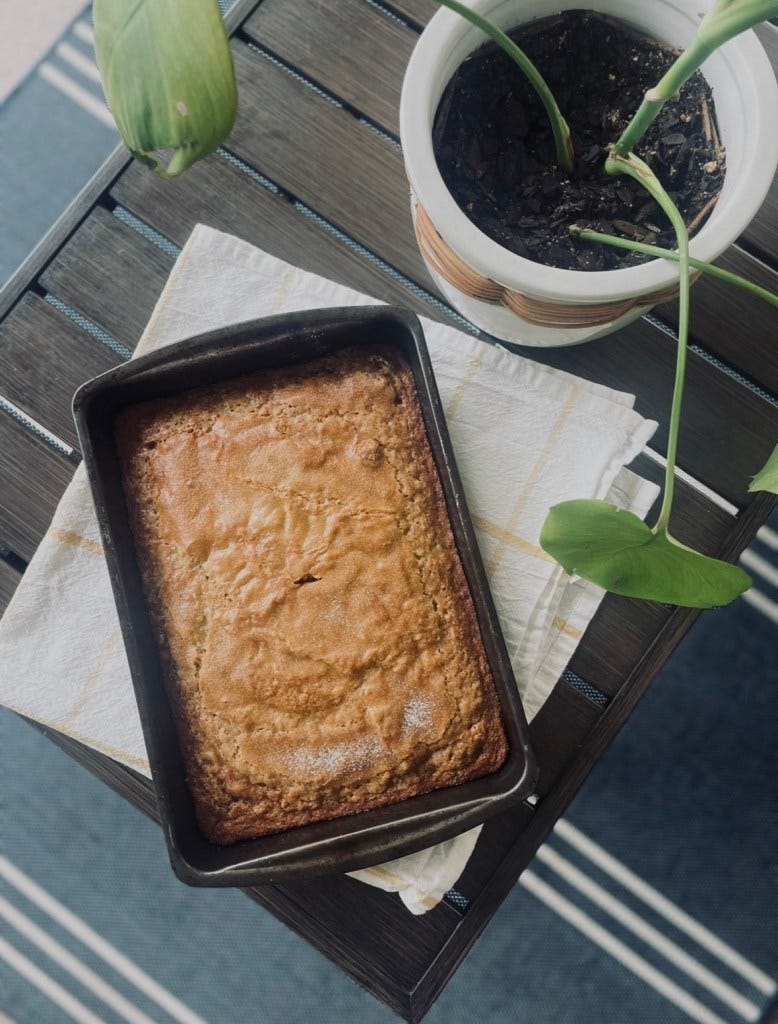
I also regularly do a banana bundt cake that I’ve been baking in loaf pans lately because a smaller dish = less oven time.
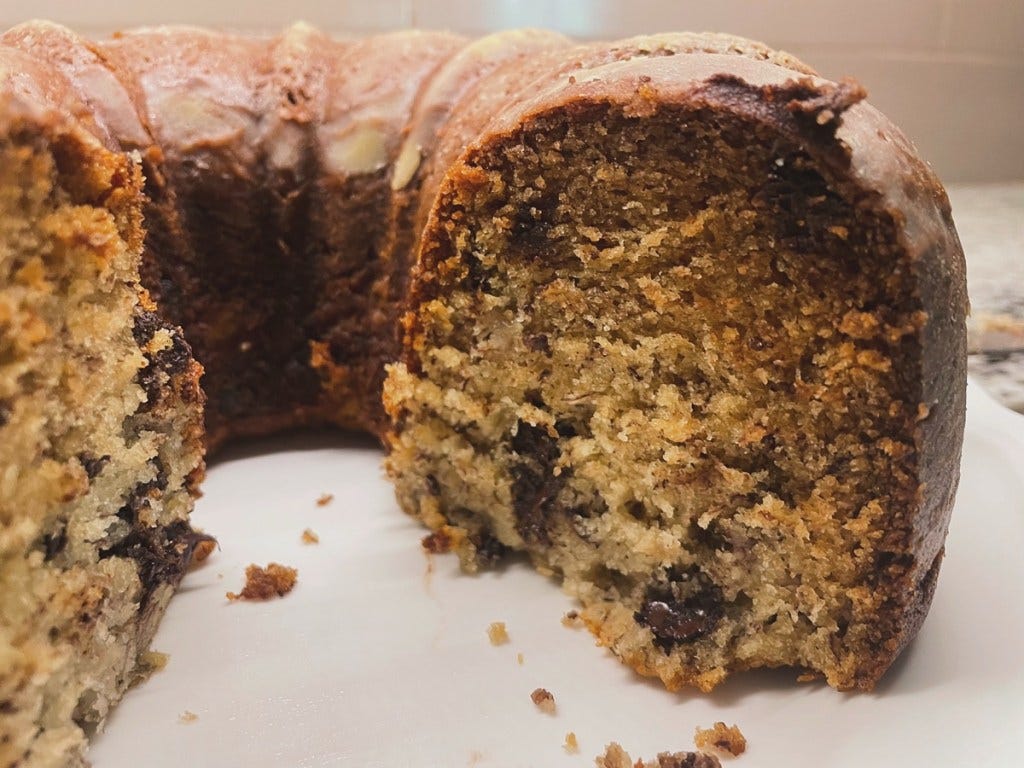
Just a couple of weeks ago, I tried my hand at a tropical version, which could have been a true win if I had lime juice instead of lemon on hand and had simply left off the glaze altogether. The coconut flakes and crushed pineapple were the additions I’d be willing to repeat. (I was inspired down this route after finishing Elin Hilderbrand’s Paradise series. In her story, set in the Virgin Islands, there are several mentions of some incredible tropical banana bread.)

Another banana bread variation I found (and baked just the other day “for research”) was the Moosewood Restaurant’s recipe. It’s pretty great and differs from the others, since it calls for nutmeg, cinnamon, almond extract, both baking soda and powder, and soaking the banana puree in a cup of black coffee beforehand. [I wish I had brought a chunk to go just so I could taste it again, while I’m thinking about it. But it’s okay, breakfast will revisit in just several hours.]
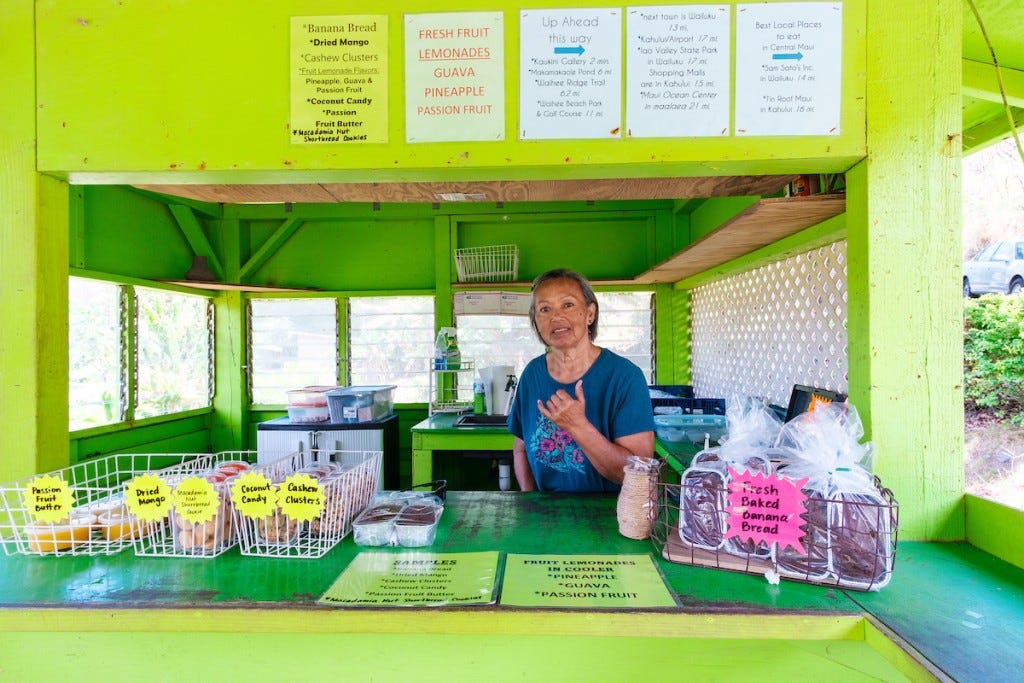
If you know me, my bucket list includes visiting the tropics somewhere, and I think this place is where that trip needs to start: in Maui, HI, for “arguably” The Best Banana Bread on Maui - HAWAIʻI Magazine.
Closing Thoughts
Banana bread, prepared to be sweet like a cake or more savory like a bread, has come a long way and is appreciated for multiple reasons. I will leave you with a heartwarming closing thought:
While to bake something with love is a common saying in households, there are linguistic roots for the association between bread and love. The word companion can be traced back to the Latin word panis which originally meant bread with the word’s use to indicate someone to share a meal with. The word for friend in French has similar origins. The French word for friend (“copain”) mashes up the prefix “co” (often translated to together or shared) and the word “pain” (meaning bread). To have a friend is to have someone to share the bread with. (emphasis mine)
Inside the Popularity of the Comforting Treat Banana Bread - Study Breaks
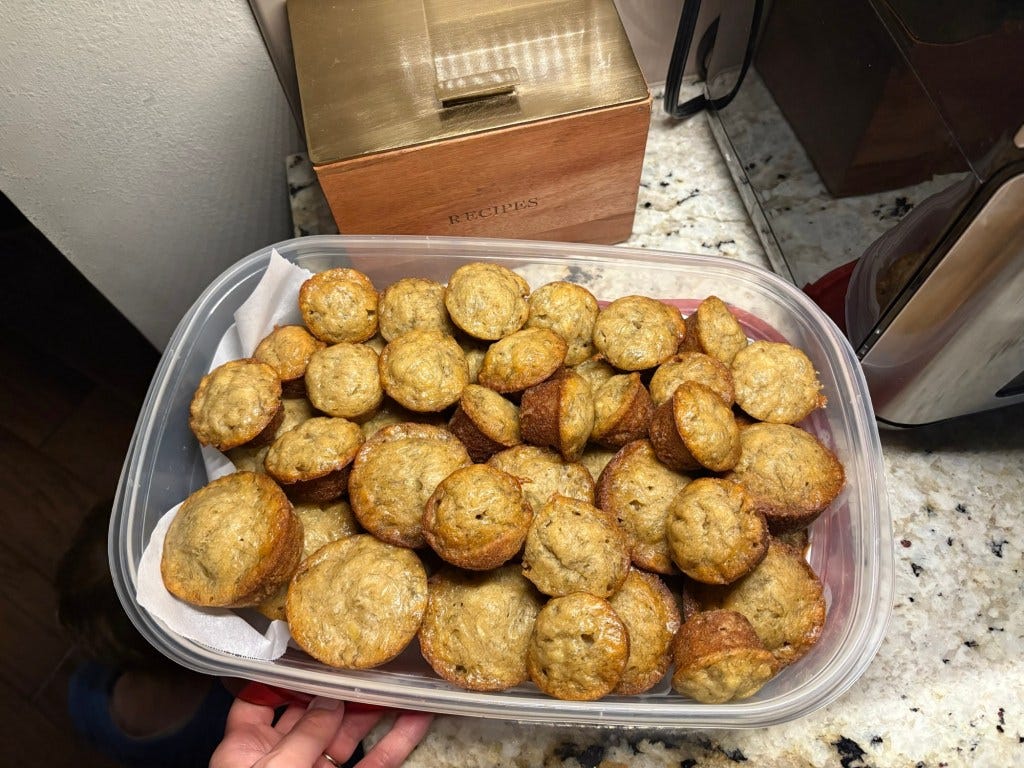
Let me know the next time you make banana bread! Maybe it’s a variety I’ve yet to try!
Thanks for reading along!
Sources used in research: